

Okay, let’s be real for a second. You’ve finally managed to wrangle your tiny human into their high chair, you’ve got a fresh cup of coffee that’s actually still warm, and you’re ready for a wholesome, educational activity. You present the crayon. You present the paper. You demonstrate a perfect, beautiful straight line.
And your three-year-old looks you dead in the eye and scribbles a chaotic swirl that would make Van Gogh dizzy before attempting to eat the crayon. Sound familiar? Yeah, I’ve been there too. More times than I’d like to admit. That’s where the magic phrase comes in: tracing lines worksheets for 3 year olds pdf free download. But it’s not about just handing them a worksheet. Oh no. It’s about the *art* of the thing.
Why Your Toddler’s Scribbles Are a Masterpiece (Seriously)
Before we dive into the treasure trove of free PDFs, we gotta get our heads in the right space. That wild, scribbly mess? It’s not a failure. It’s a developmental triumph. I used to look at my nephew’s “art” and see a mess. Now? I see fine motor skills doing their darndest to develop, hand-eye coordination figuring itself out, and a little brain making a million connections a second. Mind-blowing, right?
Think of tracing worksheets not as a test, but as a fun little obstacle course for those tiny fingers. It’s about the journey, not the destination. The goal isn’t a perfect line. The goal is the attempt. The goal is the focus (even if it’s only for 47 seconds). The goal is building the foundation for everything from writing their own name someday to just being able to button their own darn coat. Pretty cool for a piece of paper, huh?
The Hunt for the Holy Grail: Finding the BEST Free PDFs
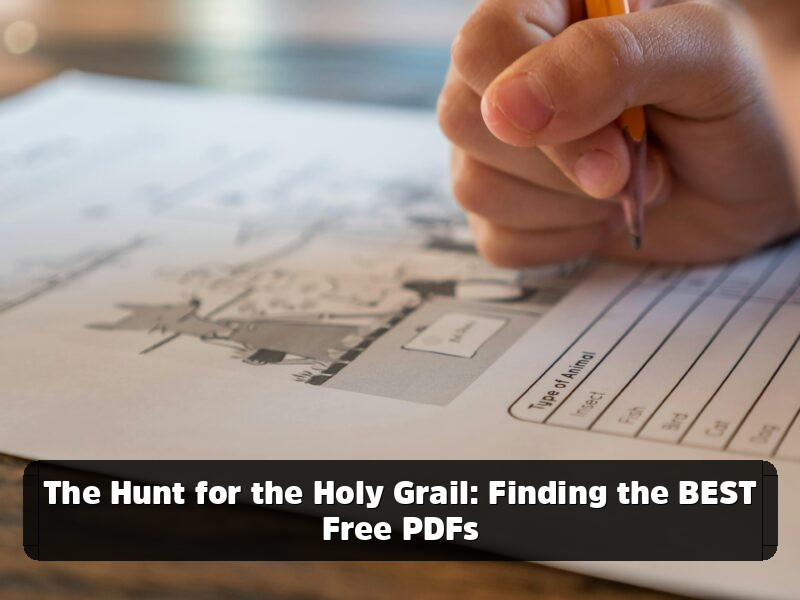
Alright, let’s get down to business. The internet is a wild west of worksheets. Some are amazing. Some are… well, let’s just say they look like they were made on a computer from 1995. You don’t have time for that. After scrolling through what felt like a million sites (and drinking far too much coffee in the process), I’ve found the gold standards.
What makes a worksheet a winner?
Look for These Things:
- Thick, Bold Lines: None of that wispy, faint nonsense. Toddlers need a clear, fat target.
- Simple Shapes to Start: We’re talking straight lines, giant curves, and maybe a fun zig-zag. Save the complex shapes for later.
- Fun Themes: Tracing a line to help a ladybug get to its leaf? Way more fun than just tracing a line.
- Variety: A good pack will have different types of lines and paths to keep things interesting.
My absolute go-to sites are ones that are created by former teachers or occupational therapists. They just *get* it. They know what works and what’s just fluff.

Setting the Stage for Tracing Success (Without the Tears)
You can have the most incredible worksheet in the world, but if you plop it down in the middle of a toy tornado during naptime, you’re gonna have a bad time. Setting the scene is everything. I learned this the hard way after a particularly disastrous attempt involving a purple crayon and a meltdown (and that was just me).
First, timing is key. Are they fed? Rested? In a relatively good mood? Good. That’s your window. Second, make it a special activity. Don’t just call it “homework.” Call it “our special drawing game.” Break out the “special” crayons—maybe the chunky ones that are easier to grip or the sparkly ones. Create a little ritual around it. This isn’t a chore. It’s an event.
And for the love of all that is holy, keep it short and sweet. Five to ten minutes of focused fun is worth more than an hour of forced, tear-stained struggle. When they’re done, they’re done. Celebrate the effort, not the outcome. “Wow, you worked so hard on that!” goes a lot further than “You almost stayed in the lines!”
The Toolbox: It’s Not Just About Crayons
Okay, confession time. I used to think a crayon was a crayon. Then I actually tried to use one of those skinny, pointy restaurant crayons with a toddler. Big mistake. Huge. The tools you use can make or break the entire experience. It’s like giving someone a butter knife to cut a steak—frustrating for everyone involved.
You want tools that are easy for those little hands to manipulate and that provide just the right amount of resistance. Here’s my holy trinity of tracing tools:
- Chunky Washable Crayons: The GOAT. Easy to grip, hard to break, and they wash off most surfaces (a critical feature).
- Dot Markers: Absolutely genius for tracing. They can “dot” their way along the line. It feels more like a game and less like work.
- Dry-Erase Markers (with supervision!): This is a next-level pro tip. Slip that worksheet into a plastic sheet protector and let them go to town with a dry-erase marker. They can erase mistakes instantly, which is a huge confidence booster. Plus, it feels super cool and grown-up.
Experiment! See what your kid gravitates towards. The best tool is the one they’re excited to use.

When It All Goes Sideways: The Art of the Pivot
So you’ve got the perfect worksheet, the perfect crayon, the perfect timing… and your kid wants absolutely nothing to do with it. They’re throwing the crayon. They’re folding the paper. They’re trying to trace the cat. Do not panic. This is not a failure. This is a signal. It’s time to pivot.
Maybe tracing on paper is a no-go today. That’s fine! Take the activity off the page. Use a stick to trace lines in the dirt outside. Use a paintbrush and water to “trace” lines on the fence or sidewalk. Use shaving cream on a baking sheet and trace lines with their fingers. Seriously, mess = win for toddlers.
The worksheet is just a guide. The real skill is the movement. If you can practice that movement in a way that’s fun and engaging, you’re still winning. Sometimes you have to sneak the learning in when they’re not looking. It’s like hiding veggies in spaghetti sauce.
Beyond the Lines: What You’re *Really* Building
It’s easy to get hyper-focused on the line, to watch that little hand and will it to stay within the boundaries. But I want you to zoom out for a minute. This is about so much more than pre-writing skills. This is about building a tiny human’s confidence.
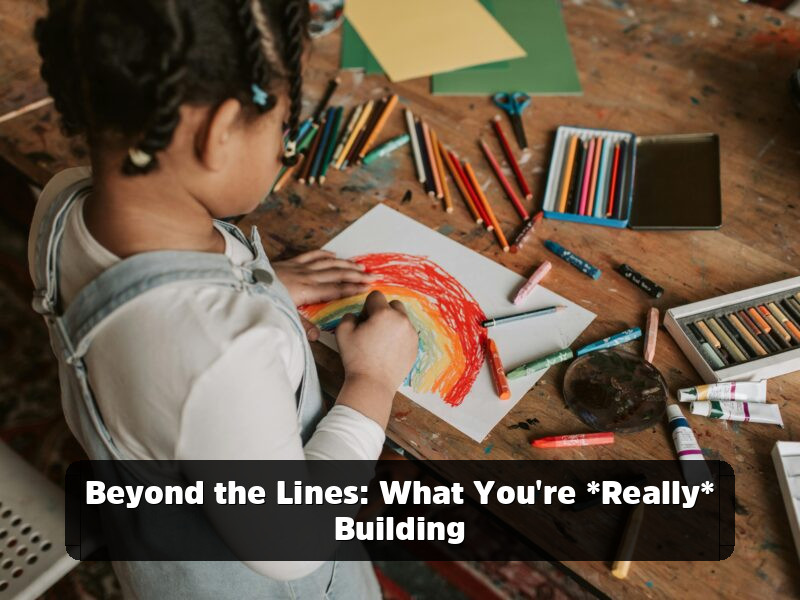
Every time they make an attempt, they’re building focus. Every time they grip that crayon, they’re building strength. Every time they finish a line (even if it’s wonky), they’re building a sense of accomplishment. You’re teaching them that they can tackle a challenge, that they can persist, that they can create something.
You’re not just teaching them to trace. You’re teaching them how to learn. You’re building the foundation for a lifetime of tackling new, scary, and exciting things. How’s that for a powerful piece of paper?
Your Turn! Let’s Swap War Stories
Alright, I’ve talked your ear off. Now I want to hear from you. What’s your biggest tracing win? You know, that moment where you felt like a parenting genius. And what about your most spectacular fail? (Mine involved glitter. Always glitter.)
Did you find a tracing worksheet pack that your kid is absolutely obsessed with? Share the link in the comments! We’re all in this together, trying to raise these wonderful, wiggly, crayon-eating tiny humans. So spill the beans. What’s your secret sauce?